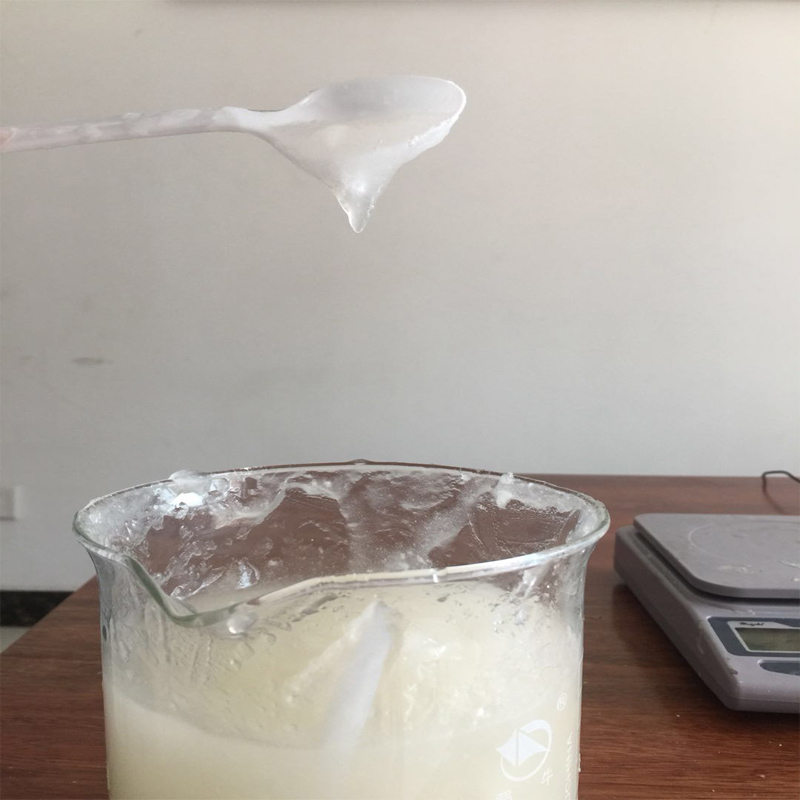
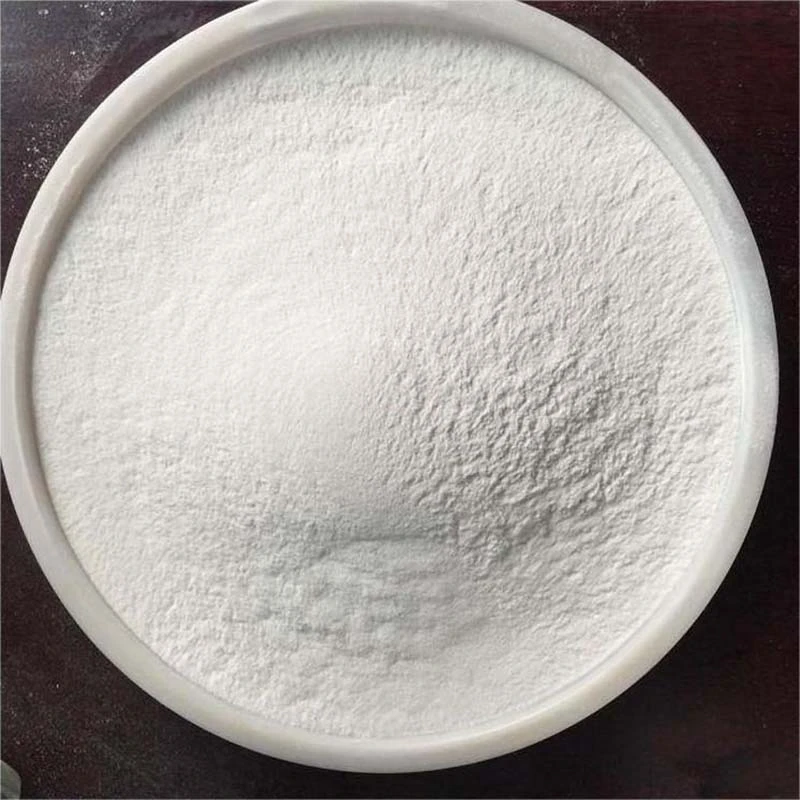
hec cellulose
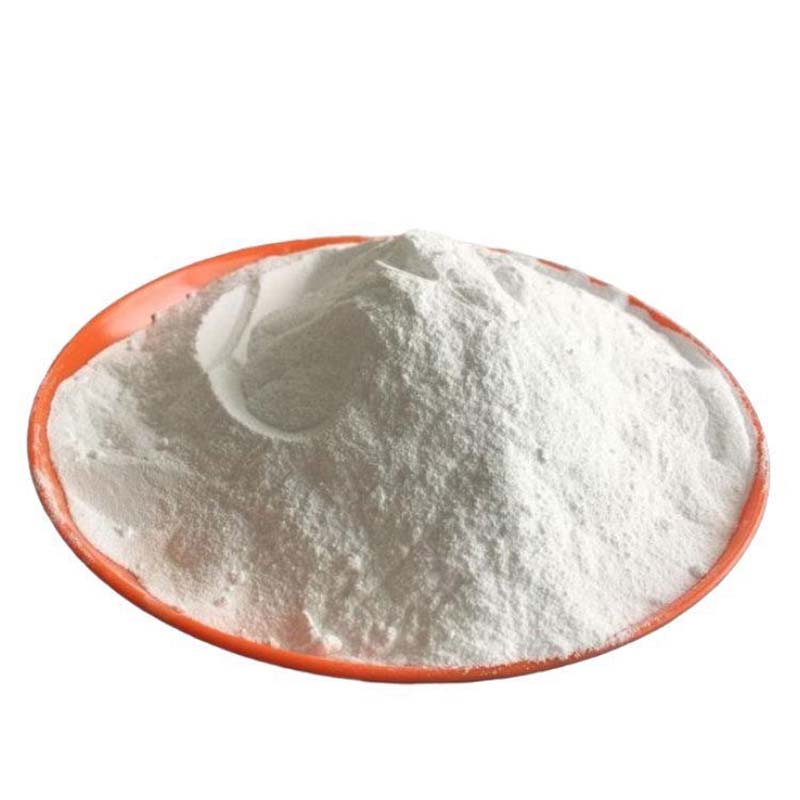
Understanding Hydroxyethyl Cellulose (HEC): A Core Polymer in Industrial Applications Hydroxyethyl Cellulose, commonly abbreviated as HEC, stands as a versatile, non-ionic, water-soluble polymer derived from cellulose. Its unique properties, including excellent thickening, pseudoplasticity, protective colloid action, water retention, and film-forming capabilities, make it an indispensable additive across a multitude of industries. From construction to pharmaceuticals, paints, and personal care products, the demand for high-quality hydroxyethyl cellulose for sale is consistently on the rise, driven by evolving performance requirements and sustainability considerations. This comprehensive guide delves into the technical aspects, market dynamics, and application prowess of HEC, providing critical insights for B2B stakeholders. The increasing complexity of modern formulations necessitates raw materials that offer consistent performance and reliability. HEC, as a cellulosic ether, is produced by reacting alkali cellulose with ethylene oxide, resulting in a polymer backbone modified with hydroxyethyl groups. This modification imparts superior solubility and broader compatibility compared to raw cellulose. Its non-ionic nature means it is less susceptible to salting out effects, offering stable viscosity even in the presence of high salt concentrations, a critical advantage in many industrial systems. Furthermore, its versatility allows for precise control over rheological properties, making it a preferred choice for formulators aiming to optimize product consistency, spreadability, and stability. While terms like hydroxyethyl ethylcellulose (HEEC) and 2 hydroxyethyl cellulose might appear similar, it's crucial for procurement and technical teams to understand the distinctions. HEEC introduces ethyl groups in addition to hydroxyethyl groups, offering slightly different properties, particularly in terms of solubility and compatibility in organic solvents, often tailored for specific niche applications. Conversely, '2 hydroxyethyl cellulose' typically refers to the structure of HEC itself, indicating the position of the hydroxyethyl group substitution, rather than a distinct polymer type. Brands like Cellosize HEC are recognized trade names for specific grades of HEC, widely used in various industries. The core functionality, however, remains centered around HEC's ability to act as a highly effective HEC cellulose thickener and rheology modifier. The Advanced Manufacturing Process of High-Quality HEC The production of premium hydroxyethyl cellulose for sale is a sophisticated chemical engineering process that demands stringent control over raw materials, reaction parameters, and purification steps. This meticulous approach ensures the consistent quality, performance, and purity required for diverse industrial applications. The process begins with high-purity cellulose pulp, typically wood pulp, as the primary raw material, chosen for its consistent molecular weight and low impurity profile. Detailed Manufacturing Process Flow: Alkalization: High-purity cellulose pulp is immersed in an alkaline solution (typically sodium hydroxide). This step swells the cellulose fibers, converting them into alkali cellulose. This transformation is crucial as it activates the cellulose hydroxyl groups, making them more reactive for subsequent etherification. Precise control of alkali concentration and reaction temperature is essential to achieve uniform activation. Etherification: The activated alkali cellulose is then reacted with ethylene oxide in a highly controlled environment, usually a stirred reactor under specific temperature and pressure conditions. The ethylene oxide reacts with the activated hydroxyl groups on the cellulose backbone, forming hydroxyethyl groups. The degree of substitution (DS) and molar substitution (MS) are critical parameters controlled at this stage, dictating the final product's solubility, viscosity, and other performance characteristics. This reaction is exothermic and requires sophisticated cooling systems to maintain optimal temperatures. Neutralization: After etherification, the reaction mixture contains residual alkali and unreacted ethylene oxide. A neutralization step, typically involving acids like acetic acid, is performed to bring the pH to a neutral or slightly acidic range, halting the reaction and stabilizing the product. Washing and Purification: The neutralized slurry is then subjected to extensive washing. This is a crucial purification step, often involving multiple cycles with organic solvents (e.g., isopropanol) and/or water. The washing process removes unreacted raw materials, by-products (like glycols), and salts, ensuring the final product's high purity and low ash content. Modern facilities often employ advanced filtration and centrifugation techniques for efficient separation. Drying: The purified wet HEC cake is then dried using specialized equipment such as fluidized bed dryers or rotary dryers. Precise temperature and airflow control are vital to achieve the desired moisture content without degrading the polymer. Over-drying can lead to reduced solubility, while under-drying can compromise storage stability. Grinding and Sieving: The dried HEC is ground into a fine powder and then sieved to achieve specific particle size distributions. Different applications demand different particle sizes; for instance, fine powders dissolve faster, while coarser grades might offer controlled release or less dust. This step also involves agglomeration or surface treatment for certain grades to enhance dissolution properties or prevent lumping. Packaging: The finished HEC powder is then packaged into multi-ply paper bags with moisture barriers or jumbo bags, ensuring protection from moisture and contamination during storage and transit. Strict quality control checks are performed on each batch before packaging. Throughout this entire process, adherence to rigorous quality control (QC) and quality assurance (QA) protocols is paramount. From the incoming raw materials to the final packaged product, every stage undergoes meticulous testing. Key inspection standards such as ISO 9001 for quality management systems and specific ASTM or internal standards for chemical purity, viscosity, and particle size are strictly followed. This ensures that the HEC cellulose thickener produced meets the highest industry benchmarks, guaranteeing an extended service life and consistent performance in applicable industries like construction, paints, and personal care. The benefits of such a controlled manufacturing process translate directly into product advantages such as improved rheological control, enhanced water retention, and long-term stability in diverse formulations, contributing to the overall integrity and performance of the end products. Our commitment to quality extends beyond basic standards. We implement advanced analytical techniques, including rheometry, gas chromatography for residual ethylene oxide, and atomic absorption spectroscopy for heavy metals, to ensure every batch of hydroxyethyl cellulose for sale surpasses purity and performance expectations. This level of diligence provides our clients with unparalleled confidence in the reliability and consistency of our products, mitigating risks in their own production lines. Key Technical Parameters and Specifications of HEC Understanding the critical technical parameters of hydroxyethyl cellulose for sale is essential for selecting the correct grade for specific applications. These parameters directly influence the performance characteristics such as thickening efficiency, solubility, and stability within a formulation. Below is a detailed breakdown of these key specifications. Typical Technical Specifications for High-Quality HEC Grades Parameter Description/Relevance Typical Range for Industrial Grades Measurement Method/Standard Viscosity (2% Solution) The most critical parameter, indicating thickening power. Measured in Brookfield RVT or NDJ-1 rotational viscometer at specified temperature and RPM. Different grades offer a wide range from low to high viscosity. 50 - 200,000 mPa.s (cP) ASTM D1347 / ISO 15219 (or manufacturer specific) Degree of Substitution (DS) Average number of hydroxyl groups substituted per anhydroglucose unit. Influences solubility and compatibility. Higher DS typically means better water solubility. 1.8 - 2.5 ASTM D1347 Molar Substitution (MS) Average number of moles of ethylene oxide reacted per anhydroglucose unit. Affects solubility, salt tolerance, and enzyme resistance. 1.5 - 3.0 Internal Analytical Method Moisture Content Percentage of water in the product. Critical for storage stability, dissolution, and product consistency. High moisture can lead to caking or microbial growth. ≤ 5.0% Loss on Drying (LOD) at 105°C for 2 hours pH Value (2% Solution) Indicates the acidity or alkalinity of the HEC solution. Important for compatibility with other formulation components and product stability. 6.0 - 8.0 Potentiometric Method Ash Content Residual inorganic impurities after incineration. Lower ash content signifies higher purity, crucial for pharmaceutical or sensitive applications. ≤ 1.0% (typically) USP <733> / EP 2.4.14 (Residue on Ignition) Particle Size Distribution of particle sizes (e.g., % passing through certain mesh sieves). Affects dissolution rate, dispersibility, and handling properties. Typically ranges from fine powders to granular forms. Varies by grade (e.g., ≥95% through 80 mesh) Sieve Analysis (e.g., ASTM D1921) Dissolution Time Time required for HEC to fully dissolve in water to form a clear solution. Influenced by particle size and surface treatment. Varies (e.g., 5-30 minutes for complete hydration) Internal Test Method The precise control of these parameters during manufacturing allows for the production of specialized grades of hydroxyethyl cellulose for sale tailored for specific performance requirements. For example, a high-viscosity grade with rapid dissolution might be ideal for thick wall putty, while a low-viscosity, high-purity grade might be necessary for ophthalmic solutions. Our technical team works closely with clients to recommend and even customize grades that perfectly align with their formulation needs, ensuring optimal performance and cost-efficiency. Applications Across Industries: Where HEC Excels The unparalleled versatility and performance characteristics of hydroxyethyl cellulose make it a preferred choice across a broad spectrum of industrial applications. Its ability to modify rheology, retain water, and stabilize emulsions offers significant advantages in enhancing product quality and process efficiency. 1. Construction Materials: The Backbone of Modern Building In the construction industry, HEC is a critical additive, particularly in water-based systems. Our flagship product, Building Material Hec Wall Putty Powder Hydroxyethyl Cellulose , exemplifies HEC's role in this sector. Wall Putty and Skim Coats: HEC significantly improves the workability, anti-sag properties, and water retention of cement-based and gypsum-based wall putties. It allows for longer open times, better adhesion to substrates, and smoother finishes, reducing cracks and improving durability. The enhanced water retention ensures proper cement hydration, leading to stronger, more uniform layers. Tile Adhesives and Grouts: HEC enhances the consistency, preventing slump, and improving the adhesion of tile adhesives, especially for large-format tiles. It also contributes to the flexibility and water resistance of grouts. Cement-Based Mortars: Used in self-leveling compounds, renders, and repair mortars, HEC provides excellent rheological control, preventing segregation and bleeding, and ensuring uniform dispersion of aggregates. 2. Paints and Coatings: Enhancing Finish and Application HEC is a vital rheology modifier in water-borne paints and coatings. It acts as a thickener, stabilizer, and dispersant, offering several advantages: Viscosity Control: Provides excellent thickening efficiency, allowing formulators to achieve desired paint consistency for various application methods (brush, roller, spray). Anti-Sagging Properties: Prevents paint from dripping or sagging on vertical surfaces, ensuring a uniform film thickness. Improved Color Acceptance: Enhances the dispersion and stability of pigments, leading to better color development and reduced streaking. Film Formation: Contributes to the formation of smooth, durable paint films. 3. Personal Care and Cosmetics: Texture and Stability In the personal care industry, HEC, including grades like Cellosize HEC , is valued for its mildness, safety, and functional properties: Shampoos and Conditioners: Acts as a primary thickener, providing luxurious texture and improving foam stability. Lotions and Creams: Functions as an emulsifier and stabilizer, ensuring smooth texture and preventing phase separation. Toothpastes: Contributes to desired rheology, aiding in extrusion and preventing syneresis. Liquid Soaps and Hand Sanitizers: Provides appropriate viscosity for easy dispensing and pleasant feel. 4. Pharmaceuticals: Enhancing Drug Delivery Pharmaceutical-grade hydroxyethyl cellulose for sale plays a crucial role due to its biocompatibility, non-toxicity, and excellent thickening properties: Tablet Coatings: Used as a film-forming agent, providing a smooth, protective coating for tablets, improving swallowability and controlled release. Topical Formulations: Thickener and stabilizer in creams, gels, and ointments for drug delivery. Ophthalmic Solutions: Its clarity and non-irritating nature make it ideal for eye drops, enhancing viscosity for extended contact time with the eye surface. Suspensions and Emulsions: Acts as a suspending agent and stabilizer, preventing particle settling in liquid medications. 5. Oil & Gas Drilling: Mud Rheology Control In the upstream oil and gas sector, HEC is a vital component in drilling fluids and completion fluids: Viscosity Modifier: Provides efficient viscosity to drilling muds, crucial for carrying cuttings out of the borehole. Fluid Loss Control: Forms a thin, impermeable filter cake on the wellbore wall, preventing fluid loss into the formation and maintaining wellbore stability. Suspension Agent: Keeps weighting agents and other solids suspended in the drilling fluid, preventing settling. Non-damaging nature: Its clarity and residue-free breakdown make it suitable for completion and workover fluids, minimizing formation damage. Beyond these major sectors, 2 hydroxyethyl cellulose finds applications in adhesives, textiles (as a sizing agent or thickener for printing pastes), paper manufacturing, and even in some food applications (where specific food-grade HEC is approved, though less common than other cellulosic ethers). This extensive range of applications underscores the adaptability and critical importance of reliable HEC cellulose thickener suppliers in the global supply chain. Our deep industry knowledge allows us to provide targeted solutions, ensuring our clients receive the most suitable HEC grade for their unique requirements. Technical Advantages and Performance Benefits of HEC The widespread adoption of hydroxyethyl cellulose across diverse industries is directly attributable to its remarkable technical advantages and the tangible performance benefits it imparts to end products. These advantages are crucial for formulators and manufacturers seeking to optimize product efficacy, user experience, and cost-effectiveness. Key Technical Advantages: Exceptional Thickening Efficiency: Even at low concentrations, HEC provides significant viscosity build-up. This high thickening power allows for more efficient use of raw materials, reducing formulation costs while achieving desired rheological properties. Superior Water Retention: HEC's molecular structure enables it to bind and retain large quantities of water. This is particularly critical in cement-based products (like our Building Material Hec Wall Putty Powder Hydroxyethyl Cellulose ) where it prevents premature drying, ensuring proper hydration of cement and extending the open time for applications, leading to stronger and more durable materials. Excellent Pseudoplasticity (Shear-Thinning): Solutions containing HEC exhibit pseudoplastic behavior, meaning their viscosity decreases under shear stress (e.g., during mixing, pumping, or application by brush/roller) and recovers quickly once the shear is removed. This property provides excellent workability, ease of application, and prevents sagging or dripping in paints and coatings, while maintaining stability at rest. Broad pH Stability: As a non-ionic polymer, HEC is remarkably stable over a wide pH range (typically 2-12). This characteristic makes it compatible with a vast array of ingredients and less susceptible to viscosity loss due to pH fluctuations, ensuring product stability in various formulations. High Compatibility: HEC is compatible with a wide range of common raw materials, including most surfactants, pigments, salts, and other polymers. This broad compatibility simplifies formulation development and allows for diverse product designs without adverse interactions. Good Film-Forming Ability: HEC forms clear, flexible, and durable films upon drying. This property is beneficial in paints, coatings, and pharmaceutical tablet coatings, contributing to surface protection and aesthetic appeal. Improved Suspension and Emulsion Stability: HEC acts as a protective colloid and suspending agent, preventing the settling of solid particles and stabilizing emulsions. This ensures homogeneous products and extends shelf life, crucial for formulations like paints, drilling muds, and liquid medications. Enhanced Flow and Leveling Properties: In applications like floor leveling compounds or self-smoothing coatings, HEC helps achieve a smooth, even surface by promoting good flow while preventing segregation. Bio-degradability and Environmental Profile: As a cellulose derivative, HEC is generally considered environmentally friendly and biodegradable, aligning with increasing industry demands for sustainable raw materials. This makes hydroxyethyl cellulose for sale a preferred choice for green formulations. These technical attributes translate directly into superior performance outcomes for finished products. For example, in construction, the enhanced workability and extended open time afforded by HEC contribute to reduced labor costs and higher quality finishes. In paints, it means better coverage, less splatter, and a smoother appearance. For personal care products, it translates to desirable textures and consistent product delivery. The robust and reliable performance profile of HEC cellulose thickener underscores its value as a premier rheology modifier and additive in competitive markets. Our continuous R&D efforts are focused on further optimizing these advantages, ensuring our products remain at the forefront of performance and innovation. Global Market Trends and the Demand for HEC The global market for hydroxyethyl cellulose for sale is characterized by steady growth, driven by key macroeconomic and industry-specific factors. Understanding these trends is vital for strategic planning and procurement in B2B sectors. The market's trajectory is influenced by a confluence of factors including population growth, urbanization, infrastructure development, and increasing consumer awareness regarding product quality and sustainability. One of the primary growth engines is the burgeoning global construction industry. Rapid urbanization, especially in emerging economies in Asia-Pacific and Latin America, fuels demand for residential, commercial, and industrial infrastructure. As construction practices evolve towards higher standards of efficiency and durability, the reliance on performance additives like HEC cellulose thickener in wall putties, tile adhesives, and mortars intensifies. Data from market research indicates that the construction chemicals segment consistently accounts for a significant portion of HEC consumption. For instance, reports suggest that the global construction chemicals market size, valued at over USD 40 billion in 2023, is projected to grow at a CAGR of 6-8% until 2032, directly impacting the demand for HEC. The paints and coatings sector also represents a substantial demand driver. The shift towards water-based, low-VOC (Volatile Organic Compound) and eco-friendly paint formulations is a significant trend, in which HEC plays a crucial role as a primary thickener and rheology modifier. Regulatory pressures and consumer preferences for greener products are pushing manufacturers to reformulate, thereby increasing the uptake of water-soluble polymers like 2 hydroxyethyl cellulose . The global paints and coatings market is expected to exceed USD 250 billion by 2028, with HEC remaining a preferred choice due to its excellent thickening efficiency and compatibility with waterborne systems. Furthermore, the personal care and pharmaceutical industries contribute significantly to the market. Growth in the aging population and rising healthcare expenditures globally underpin the demand for pharmaceutical-grade HEC. Similarly, increasing disposable incomes and a growing focus on beauty and hygiene drive the personal care market. Brands offering premium textures and stable formulations often rely on specific grades of Cellosize HEC or similar high-quality products. The cosmetic ingredients market, valued at over USD 30 billion, is also experiencing robust growth, further bolstering the demand for versatile thickening agents like HEC. Geographically, the Asia-Pacific region dominates the market share due to rapid industrialization, extensive infrastructure projects in countries like China and India, and a large consumer base. North America and Europe also maintain significant market shares, characterized by mature industries and a strong emphasis on specialized, high-performance grades and sustainable solutions. The Middle East and Africa, along with Latin America, are emerging as high-growth regions, propelled by investments in construction and oil & gas exploration, sectors where hydroxyethyl ethylcellulose and related HEC derivatives find vital applications. Looking ahead, the market for hydroxyethyl cellulose for sale is expected to continue its upward trajectory, influenced by continued R&D into novel applications, increasing adoption of eco-friendly building materials, and the consistent need for high-performance additives in diverse industrial processes. Manufacturers and suppliers must therefore focus on innovation, sustainable production, and robust supply chain management to meet this evolving demand effectively. Choosing the Right HEC Supplier: A Comparative Analysis For B2B buyers seeking hydroxyethyl cellulose for sale , the selection of a supplier is a strategic decision that goes beyond mere pricing. It impacts product quality, supply chain reliability, and long-term business success. A thorough comparative analysis of potential suppliers, considering various critical factors, is essential. Key Criteria for HEC Supplier Comparison Criterion Importance What to Look For (Pezetech's Approach) Quality Consistency & Purity Paramount for reliable product performance and avoiding batch-to-batch variations. Directly impacts end-product quality. ISO 9001 certification; robust QC/QA protocols; comprehensive Certificate of Analysis (CoA) for every batch; low impurities, high transparency. We emphasize strict adherence to international standards and internal testing beyond basic requirements. Technical Support & Expertise Crucial for troubleshooting, formulation optimization, and developing customized solutions. Dedicated technical service team; R&D capabilities for new product development and application support; ability to provide formulation guidance and solve complex rheological challenges. Our experts assist clients from initial inquiry to post-implementation support. Production Capacity & Reliability Ensures consistent supply, especially for large-scale operations or during peak demand. Prevents supply chain disruptions. Modern, scalable manufacturing facilities; track record of on-time delivery; robust inventory management; contingency plans for unforeseen events. We operate with significant capacity to meet diverse customer needs. Certifications & Regulatory Compliance Verifies adherence to industry standards, safety, and environmental regulations. Essential for global trade and specific industry requirements (e.g., food, pharma). ISO, REACH, Kosher, Halal (where applicable for specific grades), FDA DMF filings (for pharma). Demonstrable commitment to ethical and sustainable practices. Customization Capabilities Allows for tailor-made solutions for unique product requirements, leading to optimized performance and differentiation. Ability to adjust viscosity, particle size, dissolution rate, and other parameters to client specifications. Flexibility in packaging and delivery. We offer bespoke solutions for specific industrial challenges. Pricing Structure & Value Proposition Competitive pricing while maintaining quality and service. Focus on overall value, not just lowest cost. Transparent pricing; long-term contract options; value-added services (technical support, logistics) that justify the investment. Our focus is on providing optimal cost-performance balance. Logistics & Delivery Efficiency Timely and efficient delivery minimizes inventory holding costs and avoids production delays. Global distribution network; efficient order processing; reliable shipping partners; accurate lead time estimates. We ensure seamless delivery to your facility. Customer Service & Responsiveness Effective communication, quick response to inquiries, and proactive problem-solving build strong partnerships. Dedicated account managers; 24/7 support (where feasible); proactive communication on order status and market changes. Our client testimonials reflect our commitment to exceptional service. When evaluating suppliers for your hydroxyethyl cellulose for sale needs, it is crucial to request samples for testing, conduct site visits (if feasible), and check references from existing clients. A reliable partner not only provides high-quality products but also acts as an extension of your R&D and supply chain teams. Our long-standing industry presence and robust client portfolio stand as a testament to our commitment to these very principles, ensuring that when you choose our HEC cellulose thickener , you are investing in unparalleled quality and dedicated partnership. Customized HEC Solutions and Dedicated Technical Support In today's competitive landscape, standard off-the-shelf solutions often fall short of meeting the nuanced requirements of specialized industrial applications. Recognizing this, our approach to providing hydroxyethyl cellulose for sale extends beyond mere product delivery to offering highly customized solutions backed by unparalleled technical support. We understand that each formulation has unique rheological, stability, and processing demands, and a one-size-fits-all approach is rarely optimal. Our R&D team works closely with clients to understand their specific challenges and objectives. This collaborative process allows us to tailor the properties of our HEC cellulose thickener to perfectly match the desired end-product performance. Customization can involve fine-tuning various parameters, including: Viscosity Range: Developing HEC grades with precise viscosity profiles to meet specific application requirements, from low-viscosity sprayable solutions to high-viscosity gels for thick coatings or putties. Particle Size Distribution: Adjusting the grind size to optimize dissolution rates, dispersibility, and handling characteristics for different mixing equipment and end-use conditions. Dissolution Characteristics: Engineering grades for rapid hydration or delayed dissolution, depending on the formulation process. For instance, instant-dissolving grades for quick preparation or surface-treated grades to prevent lumping. Purity Levels: Offering ultra-high purity grades of 2 hydroxyethyl cellulose for sensitive applications such as pharmaceuticals or highly transparent coatings, ensuring minimal residual impurities. Surface Treatment/Modification: Applying specific surface treatments to enhance properties like anti-caking, improved dispersibility in cold water, or compatibility with particular solvents. Our technical support is an integral part of this customization process. It encompasses: Initial Consultation and Needs Assessment: Our technical experts engage with your team to thoroughly understand your current challenges, desired product properties, and production processes. Sample Provision and Testing: We provide relevant samples of HEC for your in-house evaluation. Our labs are also equipped to conduct preliminary compatibility and performance tests to guide selection. Formulation Guidance and Optimization: Based on test results and application data, we offer recommendations on HEC concentrations, blending procedures, and compatibility with other ingredients to optimize your formulation. This includes troubleshooting issues like poor dispersion, viscosity instability, or insufficient performance. On-site Technical Assistance: For complex projects, our engineers can provide on-site support to assist with trial runs, process adjustments, and performance verification, ensuring seamless integration of our hydroxyethyl cellulose into your production line. Long-Term Partnership: Our commitment extends beyond initial sales. We strive to build lasting relationships, offering continuous support, market insights, and updates on new product developments that could benefit your business. This deep level of engagement and customization ensures that when you opt for our hydroxyethyl cellulose for sale , you are not just purchasing a chemical raw material, but gaining a strategic partner committed to enhancing your product performance and driving innovation. Our proven track record in developing specialized grades, from those akin to hydroxyethyl ethylcellulose for unique rheological needs to high-performance versions of Cellosize HEC , showcases our capability to meet the most demanding industrial specifications. Application Case Studies: HEC in Real-World Scenarios The theoretical advantages of hydroxyethyl cellulose are best exemplified through its successful implementation in real-world applications. These case studies highlight how high-quality HEC addresses specific industrial challenges, leading to measurable improvements in product performance and process efficiency. Case Study 1: Optimizing Wall Putty Performance for a Large Residential Project Challenge: A major construction firm undertaking a large residential complex faced issues with their existing wall putty. It exhibited poor workability, insufficient open time, leading to rapid drying on the wall, and inconsistent finish, resulting in excessive cracking and reworks. The current HEC cellulose thickener they were using was not providing the necessary water retention and rheology. Solution: Our technical team introduced a specialized high-viscosity, high-water-retention grade of Building Material Hec Wall Putty Powder Hydroxyethyl Cellulose . Through comprehensive lab trials and on-site demonstrations, we optimized the HEC dosage and provided detailed mixing instructions. The chosen grade of hydroxyethyl cellulose for sale was specifically designed to offer prolonged open time and superior pseudoplasticity. Results: Increased Open Time: The wall putty's open time increased from 15 minutes to over 30 minutes, allowing applicators more time for precise finishing and reducing material waste by 10%. Improved Workability: Applicators reported significantly smoother application and reduced effort due to the enhanced pseudoplasticity, leading to a 20% increase in daily coverage rate per worker. Reduced Cracking: The superior water retention properties of the HEC ensured optimal cement hydration, virtually eliminating surface cracks and hairline fissures, and reducing rework by 25%. Consistent Finish: The resulting walls had a consistently smooth and durable finish, meeting the stringent quality standards of the project. This project demonstrated tangible cost savings through increased efficiency and reduced material waste, validating the investment in a premium hydroxyethyl cellulose product. Case Study 2: Enhancing Stability and Aesthetics in Premium Architectural Paints Challenge: A lead
Play Video














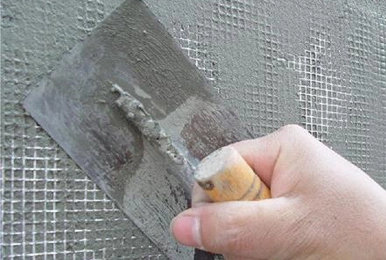
 Plastering mortar
 External Wall Insulation Mortar
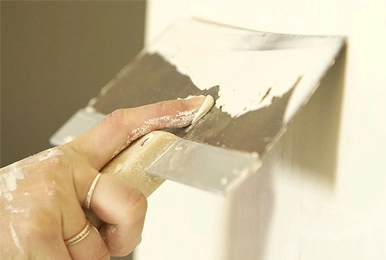 Gypsum
 Tile Adhesive
 Putty For Exterior Wall
 Interior Wall Putty
 Redispersible Polymer Powder
 Reactive Dyes
 Digital Printed Fabric
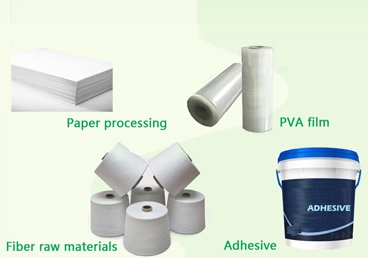 CMC Printing paste